
In the high-stakes world of prediction markets, speed is no longer the sole advantage it once was. On platforms like Polymarket, where fortunes are made and lost in the minutes and seconds surrounding major news events, relying on traditional media outlets is a recipe for mediocrity. If you are waiting for a notification from CNN or a headline on Bloomberg to trigger a trade, the market has already priced in the reality, and you have likely already lost. The true edge in modern prediction trading lies not in speed alone, but in information asymmetry—accessing raw data and interpreting it before it crystallizes into a mainstream narrative. The most successful traders on Polymarket are effectively acting as intelligence analysts, looking for “alternative signals” that betray reality before it becomes public knowledge. This is the frontier of decentralized intelligence, where the profit belongs to those who can connect the dots between disparate, non-financial data streams and market outcomes.
The concept is simple yet profound: real-world events leave digital and physical footprints. A geopolitical decision, a corporate merger, or a regulatory shift rarely happens in a vacuum. It is preceded by logistical preparations, frantic communications, and resource allocations. By monitoring these precursor signals, a trader can anticipate the news cycle rather than react to it. This approach moves beyond simple speculation and enters the realm of quantitative and qualitative analysis. It requires a shift in mindset from being a passive consumer of information to an active hunter of data. The following analysis explores how traders are leveraging unconventional indicators (from the “Pizza Meter” to private jet movements and smart money flows) to gain a decisive edge in Polymarket markets.
Case Study: The Pizza Meter and the Pentagon
One of the most illustrative examples of alternative signal analysis is the “Pizza Meter,” a concept that gained viral attention following a massive trade on Polymarket. The premise relies on a well-known anecdote within intelligence circles: heavy pizza ordering at odd hours at the Pentagon often correlates with high-stress, late-night work sessions, typically preceding major military operations or strategic announcements. When decision-makers and analysts are working through the night, they order food. This creates a measurable spike in local food delivery activity that serves as a physical proxy for government urgency.
The Viral $80,000 Trade
How i made 80,000$ in a single night using @Polymarket
— Sweetcheeks (🌲,🌲) (@SweetcheeksReal) January 3, 2026
Basically ever since the US brought their largest aircraft carrier i knew a strike was 100% going to happen, but i did not know when. So i built a vibe coded bot to track the dominos pizza orders around the pentagon because… https://t.co/Jx1ODEGtJ2
The validity of this signal was famously demonstrated by a trader who reportedly made $80,000 in a single night. The trader, anticipating a potential US strike based on the deployment of an aircraft carrier, lacked a specific timeline. To solve this, they built a “vibe coded bot” to track Domino’s pizza orders specifically around the Pentagon. The logic was sound: if a strike was imminent, Pentagon staff would be working overtime, and pizza consumption would surge. The moment the bot detected this unusual activity, the trader received an alert. Acting on this physical data point, they immediately purchased “Yes” shares on the Polymarket contract regarding a US strike on Venezuela. The trade paid off handsomely, proving that real-world logistics can be a superior predictor to public speculation.

Interpreting Physical Logistics
The Pizza Meter is a prime example of interpreting physical logistics as a leading indicator. This method relies on the assumption that bureaucratic and military machinery requires sustenance and energy. When the machine is working at maximum capacity, the demand for basic services like food delivery increases. In the context of Polymarket, this translates to a tangible advantage. While the rest of the market was looking at satellite imagery or political rhetoric, this trader was looking at pizza ovens. This case highlights a broader truth: the most valuable signals are often those that are completely unrelated to finance but are deeply connected to human behavior and organizational stress. By tracking these mundane metrics, traders can bypass the noise of the 24-hour news cycle and tap directly into the source of the action.
Expanding the Horizon: Corporate and Digital Signals
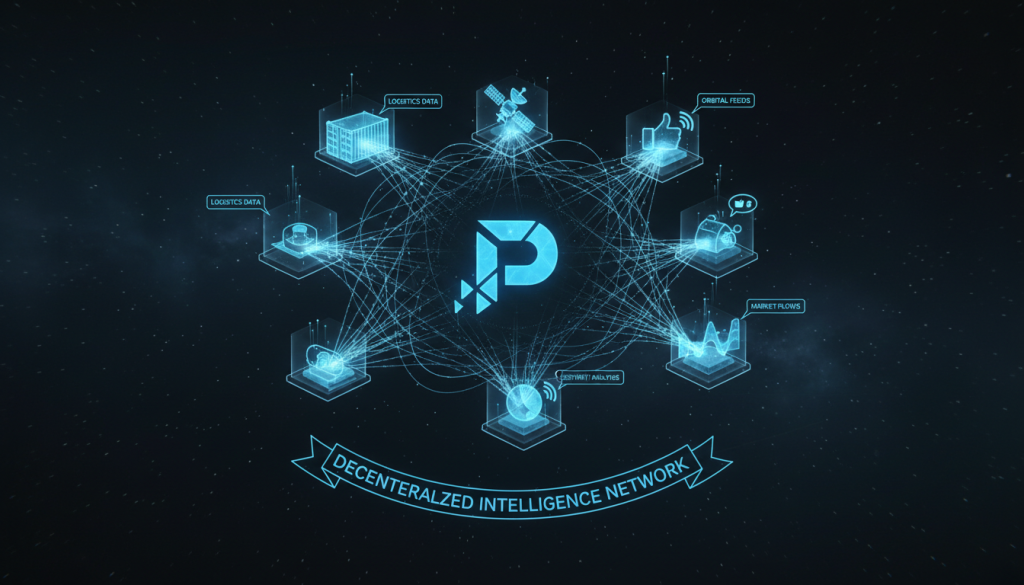
While the Pizza Meter is a compelling anecdote, the universe of alternative signals extends far beyond the physical realm. Modern prediction markets require a diversified portfolio of data sources. Sophisticated traders are constantly monitoring corporate logistics and digital infrastructure changes to predict market-moving events. These signals are often invisible to the naked eye but are easily trackable with the right tools. By monitoring the movement of capital and code, traders can identify high-probability setups in Polymarket contracts ranging from merger arbitrage to tech industry volatility.
Corporate Logistics: Jet Tracking
Mergers and acquisitions (M&A) are traditionally shrouded in secrecy, but the logistics of moving high-level executives often betray the secrecy. Corporate “Air Force One” jets are frequently used to shuttle CEOs and board members between headquarters for final negotiations. By tracking the tail numbers of these private jets using publicly available ADS-B data, traders can identify when key decision-makers are converging on a specific location. If a private jet associated with Company A lands in the same city as a jet associated with Company B, and both are known to be in merger talks, a Polymarket contract on the acquisition probability becomes a high-value target. This form of tracking requires no insider information; it simply requires monitoring public aviation data.
Digital Infrastructure: Code and Domains
In the digital age, code is destiny. Major tech companies often leave clues about upcoming products or strategic pivots in their public repositories. A sudden flurry of commits to a previously dormant GitHub repository, the introduction of new code libraries related to specific functionality, or the renaming of internal files can signal an imminent product launch or a shift in engineering focus. Similarly, corporate domain renewals and registrations can be revealing. Large conglomerates often register obscure domain names years in advance of a product launch to prevent cybersquatting. Finding a domain registration for a name that aligns with a rumored product can confirm a Polymarket bet on a specific tech release date. These digital breadcrumbs are available to anyone willing to look.
Following the Money: Blockchain and Smart Money
The rise of Polymarket is intrinsically linked to the blockchain ecosystem. One of the most potent signals available to a Polymarket trader is the on-chain activity of “Smart Money” wallets. These are wallets that have a historical track record of profitable trading or early entry into successful projects. By monitoring the blockchain, traders can see when these sophisticated actors are moving large amounts of capital into prediction markets or related assets. If a wallet known for predicting political outcomes suddenly buys a massive position in a “US Election” market on Polymarket, it serves as a strong confirmation signal for other traders. This is the digital equivalent of seeing the “whales” move.
| Signal Category | Specific Indicator | Polymarket Application | Reliability Factor |
|---|---|---|---|
| Physical Logistics | Local Food Delivery Spikes (Pizza Meter) | Geopolitical/Military Events | Medium (Requires Context) |
| Corporate Movement | Private Jet Tracking | Mergers & Acquisitions | High |
| Digital Infrastructure | GitHub Commits / Domain Renewals | Tech Product Launches | High |
| On-Chain Finance | Smart Money Wallet Activity | Crypto Regulation / Election | Very High |
On-Chain Analytics and Arbitrage
Beyond just following specific wallets, on-chain analytics can reveal broader market sentiment. For instance, if there is a massive inflow of stablecoins into decentralized exchanges specifically paired with Polymarket liquidity pools, it suggests a large player is preparing to take a significant position. Furthermore, arbitrage opportunities often appear when the Polymarket price diverges from the on-chain price of a related perpetual futures contract. Traders who monitor these discrepancies can execute risk-free trades, betting on the convergence of prices. This requires a deep understanding of both prediction markets and decentralized finance mechanics, but the rewards are consistent and substantial.
The Danger of False Signals and Noise
While the allure of alternative signals is strong, it is vital to exercise extreme caution. Data is noisy, and correlation does not always imply causation. The “Pizza Meter” is a perfect example of a signal that can easily be spoofed or misinterpreted. A spike in pizza orders around the Pentagon could just as easily be the result of a retirement party, a holiday celebration, or a shift change for a large department. Betting heavily on a single, unverified signal is the fastest way to lose capital on Polymarket. The professional approach requires a methodology of “Signal Corroboration.”
The Importance of Corroboration
No single signal should ever trigger a bet. Instead, traders should look for a convergence of evidence. If the Pizza Meter spikes, check for corresponding private jet movements. If a GitHub repository updates, check for domain registrations. If a Smart Money wallet moves, check for physical logistics changes. The strength of a signal increases exponentially with the number of independent data points that support it. This multi-layered analysis filters out noise and reduces the risk of falling for false positives. It transforms the trading process from a gamble based on a hunch into a calculated risk based on a preponderance of evidence.
Conclusion: The Citizen Analyst
Polymarket is democratizing the role of the intelligence analyst. It has effectively turned the global population into a distributed network of data collectors and interpreters. The platform rewards the curious, the skeptical, and the observant. The era of relying on official statements and delayed press releases is ending. In its place rises a new paradigm where the truth is found in the margins—in the delivery receipts, the flight logs, the code commits, and the wallet transfers. To succeed in this environment is to become a practitioner of Open Source Intelligence (OSINT). The profit does not belong to those who wait for the news; it belongs to those who look at the world through a different lens and see the signal hiding in plain sight.
Disclaimer: Access to Polymarket may be subject to geographical restrictions in certain jurisdictions, including parts of the European Union. This article is for informational purposes only and does not constitute financial advice or an inducement to trade.

Tanguy is a key figure in the team, responsible for in-depth analysis of technological trends and their practical application in modern business. One of his specialities are the blockchains.


